Everything About LED Flashlights: An Overview to Selecting the Right One for You
LED flashlights have actually ended up being a staple in numerous families and outside adventures. Their efficiency and flexibility deal with different requirements, from informal usage to survival situations. Understanding the subtleties of LED modern technology and the functions that matter can substantially impact one's choice. Variables such as brightness, battery life, and durability play essential duties. Nonetheless, with so numerous choices offered, just how does one establish the suitable flashlight to meet particular demands?
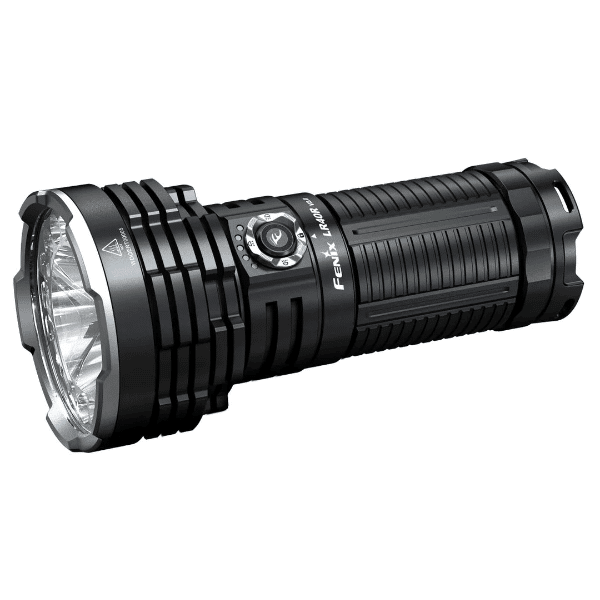
Comprehending LED Innovation
Although lots of people value the brilliant light created by LED flashlights, few comprehend the underlying technology that makes them durable and effective. LED, or Light Emitting Diode, operates a semiconductor principle, where electrons move with a product to release light when energized. This procedure is inherently much more reliable than conventional incandescent bulbs, transforming a bigger part of electric energy right into visible light as opposed to warmth.
The sturdiness of LED innovation adds to its appeal; LEDs have a lengthy lifespan, typically surpassing 25,000 hours of usage. This longevity minimizes the frequency of replacements, adding to set you back financial savings and decreased waste. Additionally, LEDs are immune to shock and vibration, making them ideal for sturdy atmospheres. Their portable size enables versatile styles, suitable for numerous flashlight forms. On the whole, comprehending LED modern technology exposes why these flashlights are favored for everyday use and exterior experiences alike.
Key Functions to Take Into Consideration
Comprehending LED innovation sets the structure for assessing flashlight options, specifically when thinking about key functions. Brightness is a key element, usually determined in lumens, which shows the light result. A higher lumen matter normally converts to better visibility. Battery type and runtime additionally play substantial roles; users should evaluate whether they like disposable batteries or rechargeable choices based on their usage patterns. Durability is another crucial feature, with several flashlights offering water and effect resistance scores, making sure dependability in various problems. Size and weight can influence portability, making it essential to select a flashlight that fits the designated use, whether for everyday carry or emergency preparedness. Extra attributes, such as flexible beam of light emphasis, several brightness settings, and integrated security systems, enhance functionality and flexibility, enabling users to tailor their flashlight experience to certain needs. Inevitably, understanding these essential attributes encourages customers to pick the perfect LED flashlight for their demands.
Different Kinds Of LED Flashlights
LED flashlights can be found in a variety of kinds, each created to satisfy certain requirements and choices. Compact flashlights, suitable for everyday bring, use portability and benefit. Tactical flashlights are constructed for durability and often include added capabilities, such as strobe settings for protection. Headlamps provide hands-free illumination, making them ideal for activities like camping or fixings. Work lights, generally larger and extra powerful, are fit for job sites, offering broad insurance coverage and security. Rechargeable flashlights are eco-friendly choices that reduce battery prices, while pocket-sized models emphasize simplicity of transportation without sacrificing performance. Specialized flashlights, such as UV or infrared versions, provide to niche applications like discovering phony money or evening vision. Each kind serves a distinct objective, allowing users to pick the flashlight that ideal fits their specific needs and activities.
Illumination and Lumens Explained
When choosing an LED flashlight, illumination plays a key function in its effectiveness. The illumination of a flashlight is commonly determined in lumens, which evaluates the overall quantity of noticeable light released. A higher lumen matter suggests a brighter light, making it crucial for individuals to comprehend their specific requirements. Jobs such as outdoor camping or outdoor expedition might need flashlights with higher lumen ratings, normally ranging from 200 to 1,000 lumens. On the other hand, day-to-day tasks, like analysis or guiding during the night, may be adequately served by flashlights discharging between 50 to 200 lumens. In addition, the perceived illumination can differ based on beam range and intensity; a focused light beam might show up brighter than a scattered light of the exact same lumen score. Comprehending these elements guarantees people select a flashlight that effectively satisfies their illumination needs in different situations.
Battery Life and Source Of Power
Recognizing battery life and source of power is vital for maximizing the efficiency of LED flashlights. This section will cover different battery types, contrasting rechargeable choices to disposable ones, and highlight essential runtime considerations. By checking out these aspects, users can make educated choices that finest match their lighting needs.
Battery Types Clarified
A variety of battery kinds considerably influence the efficiency and durability of flashlights. Usual battery options include alkaline, lithium, and nickel-metal hydride (NiMH) Alkaline batteries are cost-efficient and commonly offered yet generally use much shorter lifespan and lower power output contrasted to lithium. Lithium batteries, recognized for their high and lightweight power thickness, supply longer run times and carry out well in extreme temperatures. NiMH batteries are eco pleasant and rechargeable, making them a prominent choice for those seeking sustainability. Each type has its particular voltage and ability, influencing illumination and runtime. Comprehending these differences assists users choose the most effective battery kind for their flashlight requires, ensuring peak performance in various circumstances.
Disposable vs. rechargeable
While both disposable and rechargeable batteries function as power sources for flashlights, their unique characteristics significantly affect performance and customer experience. Rechargeable batteries, often lithium-ion, use the benefit of cost-effectiveness gradually, as they can be reused numerous times, minimizing waste. They likewise often tend to provide constant power result until exhaustion, improving illumination during use. On the other hand, non reusable batteries, commonly alkaline, are hassle-free for fast substitutes and are extensively offered. They might not last as long in high-drain tools and can lead to boosted ecological waste. Users should consider their specific needs, such as regularity of usage and ecological concerns, to identify which battery type lines up finest with their flashlight needs.
Runtime Considerations
When selecting a flashlight, runtime factors to consider are necessary, as they straight affect use and performance. Battery life determines how much time the flashlight can operate before requiring a recharge or replacement. Customers should evaluate the kind of battery used-- rechargeable lithium-ion batteries have a tendency to offer longer runtimes and cost-effectiveness with time, while non reusable batteries supply benefit and prompt accessibility. In addition, the flashlight's power output and setups, such as high, medium, or reduced modes, effect runtime significantly; greater outcome usually results in shorter runtimes. Recognizing these elements enables users to select a flashlight that straightens with their specific requirements, whether for emergency situation readiness, exterior tasks, or daily use, guaranteeing optimal efficiency when it matters most.
Size and Portability
Size and portability are essential aspects to take into consideration when selecting an LED flashlight, as they directly influence use and convenience. A small flashlight can easily fit in a backpack, pocket, or glove compartment, making it excellent for everyday bring or outside tasks. Conversely, larger designs might supply even more power and features however can be difficult to transport.
Weight additionally plays a considerable function; a lightweight flashlight is simpler to take care of for prolonged durations, particularly in emergency situations or throughout outdoor expeditions.
Potential customers have to consider their specific needs, such as whether they require a flashlight for informal use, camping, or professional applications. LED Flashlights.
Ultimately, the right equilibrium in between dimension and efficiency will certainly boost the general experience. By reviewing variables like convenience of transportation, weight, and measurements, individuals can choose an LED flashlight that finest straightens with their lifestyle and desired usage, ensuring contentment and functionality.
Budgeting for Your Flashlight Purchase
Budgeting for a flashlight purchase requires cautious consideration of private requirements to assure the ideal choice. Establishing a cost range is essential, as it helps limit choices without overspending. Comparing functions and expenses amongst various models will aid in making a notified decision that balances top quality and cost.
Identify Your Demands
Before choosing a flashlight, people should carefully assess their particular requirements and economic restrictions. Understanding the meant use is important; for instance, a laid-back customer may only need a standard version for occasional jobs, while exterior fanatics or professionals could require innovative functions like waterproofing, brightness, or durability. Determining the main function-- be it outdoor camping, emergency preparedness, or everyday carry-- can substantially affect the selection. In addition, users need to think about factors such as battery weight, life, and size, as these can influence use and benefit. Ultimately, specifying personal needs will direct people toward a flashlight that not only satisfies their practical needs yet also aligns with their spending plan, ensuring an adequate acquisition experience.
Set a Price Range
Establishing a rate range is essential when choosing the right LED flashlight, as it aids limit alternatives without spending too much. Consumers must initially assess their budget, assessing just how much they are willing to spend in a flashlight. Rates for LED flashlights can differ considerably based upon brand name, features, and top quality. Establishing a reasonable price array enables shoppers to concentrate on designs that fulfill their needs while preventing lower-quality choices that may not give sufficient efficiency. LED Flashlights. It's also important to assess potential long-lasting savings; a greater first financial investment in a long lasting, top notch flashlight might protect against future replacements. Eventually, a well-defined rate range allows educated decision-making, guaranteeing that consumers discover a flashlight that stabilizes high quality and affordability
Contrast Features and Prices
When contrasting functions and expenses of LED flashlights, consumers must thoroughly review the requirements that straighten with their meant use. Secret attributes to consider consist of illumination degrees measured in lumens, beam of light distance, battery life, and sturdiness rankings such as water and impact resistance. Higher lumen results normally associate with higher prices, while extra sturdy versions may additionally set you back more click this link due to sophisticated products. Furthermore, attributes like adjustable brightness settings and rechargeable batteries can improve usability but might increase the first financial investment. Consumers ought to likewise examine warranties and brand name reputation, as these factors can indicate long-term value. Stabilizing necessary attributes against spending plan constraints is vital for making an educated flashlight purchase.
Regularly Asked Concerns

Can LED Flashlights Be Made Use Of Underwater?
LED flashlights can be used undersea, but their efficiency relies on the particular design and water-proof score. Models with appropriate IP rankings ensure functionality and toughness in water environments, providing reliable lighting for underwater activities.
How Do I Tidy My LED Flashlight?
To clean an LED flashlight, one should first get rid of the batteries, after that make use of a soft fabric or brush to wipe the outside and lens. For persistent dirt, a moderate soap service might be utilized meticulously.
Are LED Flashlights Safe for Kids?
LED flashlights are normally safe for children, as they create less warm and are less most likely to cause burns. LED Flashlights. Guidance is suggested to prevent abuse and warranty security throughout play or exploration tasks.
Can I Replace the LED in My Flashlight?
Changing the LED in a flashlight is feasible, yet it calls for technological knowledge and suitable parts. Not all flashlights enable LED substitute, so one must examine the details model prior to trying any adjustments.
What Products Are Ideal for Flashlight Building?
Aluminum and high-impact plastics are excellent materials for flashlight building, supplying sturdiness and lightweight residential properties. Stainless-steel can supply extra strength and corrosion resistance, while rubber elements enhance hold and water resistant capacities for numerous environments.
Rechargeable flashlights are environmentally pleasant options that conserve on battery costs, while pocket-sized designs stress convenience of transportation without giving up performance. Understanding battery life and power resources is important for taking full advantage of the performance of LED flashlights. A variety of battery kinds considerably influence the efficiency and long life of flashlights. While both rechargeable and disposable batteries serve as power resources for flashlights, their unique qualities significantly impact performance and individual experience. To clean an LED flashlight, one ought to first remove the batteries, then utilize a soft towel or brush to clean the exterior and lens.